
This guide breaks down what extraction systems are, how they work, the equipment involved, and how to choose materials that hold up in harsh chemical environments. IPF Colasit has been supplying corrosion-resistant thermoplastic extraction equipment since 1948, serving more than 40,000 facilities across North and South America.
Key Takeaways
- Extraction systems capture contaminants at the source, before they spread through the facility
- OSHA exposure limits make extraction a legal requirement in many industrial settings
- Material choice (metal versus thermoplastic) determines how long equipment survives corrosive gas streams
- Match the system to contaminant type, facility layout, and chemical exposure levels
What Is Industrial Fume and Dust Extraction?
Fume extraction removes gaseous or vapor-phase contaminants, often chemical in nature, released during processes like plating, etching, or acid treatment. Dust extraction captures solid particulates — metal grinding dust, wood dust, powder residues — before they become airborne throughout the workspace.
Both approaches target contaminants at the source, rather than relying on general dilution ventilation that simply mixes clean air with dirty air until concentrations drop. Source capture works faster and protects workers more effectively than diluting contaminants after they spread.
Uncontrolled exposure carries real health costs. Short-term effects include eye and throat irritation. Long-term exposure to isocyanates and similar substances is linked to occupational asthma and chronic lung problems, according to OSHA. NIOSH recommends engineering controls — closed systems and ventilation — as the primary defense, with worker isolation and PPE as secondary measures.
Industries most reliant on these systems include:
- Chemical processing and metal plating
- Wastewater treatment plants
- Semiconductor and electronics manufacturing
- Laboratory and research facilities
How Does an Extraction System Work?
Every extraction system follows the same basic sequence, regardless of scale.
The Three-Stage Process
- Capture — Hoods or extraction arms positioned close to the contaminant source pull air in before fumes or dust can disperse
- Conveyance — Ducting carries the contaminated air stream to the treatment equipment
- Filtration/treatment — Filters or scrubbers remove contaminants before air is exhausted or recirculated
The fan or blower is what makes the whole system move. It creates negative pressure, drawing air through the hood and duct network.
Per OSHA's Technical Manual, capture velocity drops off fast with distance, falling from 300 feet per minute at one duct diameter from the hood to just 30 fpm at two duct diameters. That's why hood placement matters as much as fan sizing.

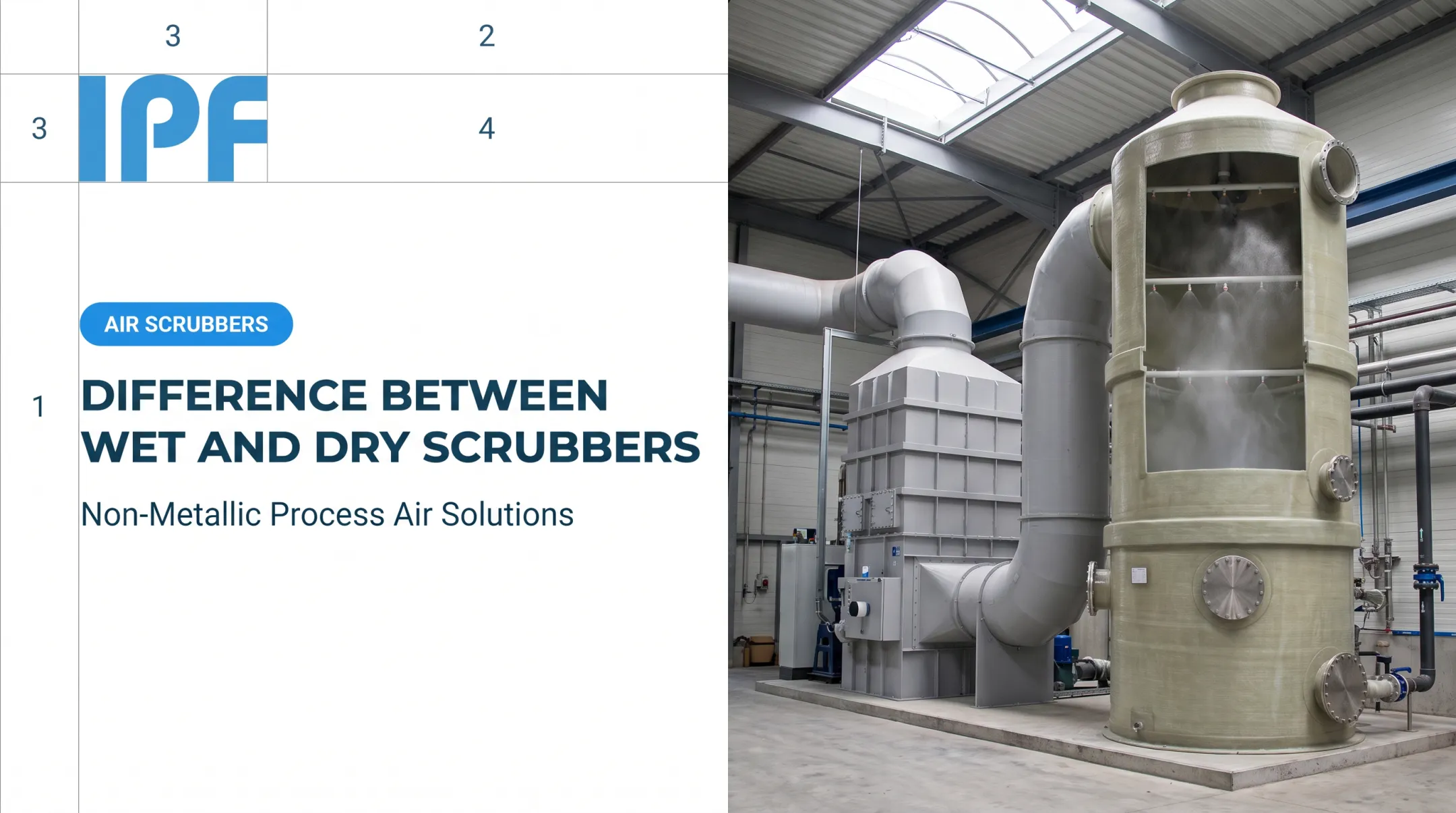
For corrosive gas streams, wet scrubbers neutralize or remove acidic and alkaline gases before exhaust, protecting both downstream equipment and outdoor air quality.
System performance hinges on matching three things: fan capacity, duct design, and filter or scrubber selection, all sized against the total pressure drop of the system. Undersize any one component and the whole system underperforms.
Equipment Used in Fume and Dust Extraction Systems
A complete extraction system is built from several core components working together.
Core components:
- Extraction hoods and arms
- Ducting and fittings
- Fans/blowers
- Dampers
- Filters (bag, cartridge, cyclone)
- Wet scrubbers
Hoods, Arms, and Ducting
Hoods, Arms, and Ducting
Hoods and articulated arms capture fumes and dust at the source—weld cells, tanks, tool stations—before contaminants spread into the workspace. Ducting and fittings then carry that airstream to the fan and filter train; material choice (PVC, polypropylene, or FRP) should match the chemistry in the stream.
Fans and Blowers
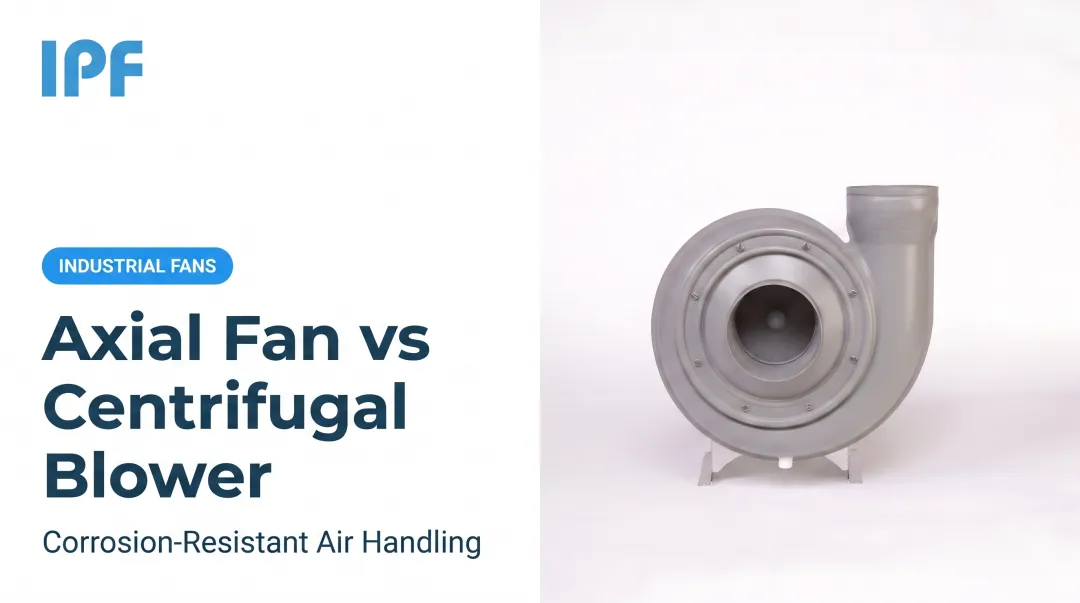
Centrifugal fans move contaminated air at the volume and pressure the system needs. IPF Colasit manufactures three thermoplastic series for different application needs:
| Series | Type | CFM Range | Max Static Pressure |
|---|---|---|---|
| CDD | Direct-drive | 50–6,000 | 10 inches |
| CMV | Belt-drive | 50–6,000 | 10 inches |
| CRDV | In-line/roof-mounted | Up to 125,000 | 24 inches |

Dust Collection Options
- Bag filters (baghouses): Greater than 99% collection efficiency per the EPA. Acid-gas condensation can corrode metal parts and blind bags over time.
- Cartridge filters: Up to 99.999% efficiency in newer designs; best for fine particulate at moderate temperatures (up to ~200°F)
- Cyclones: Precleaners for abrasive particles above 10 microns, placed ahead of a final filter to cut its load
Wet Scrubbers for Corrosive Gases
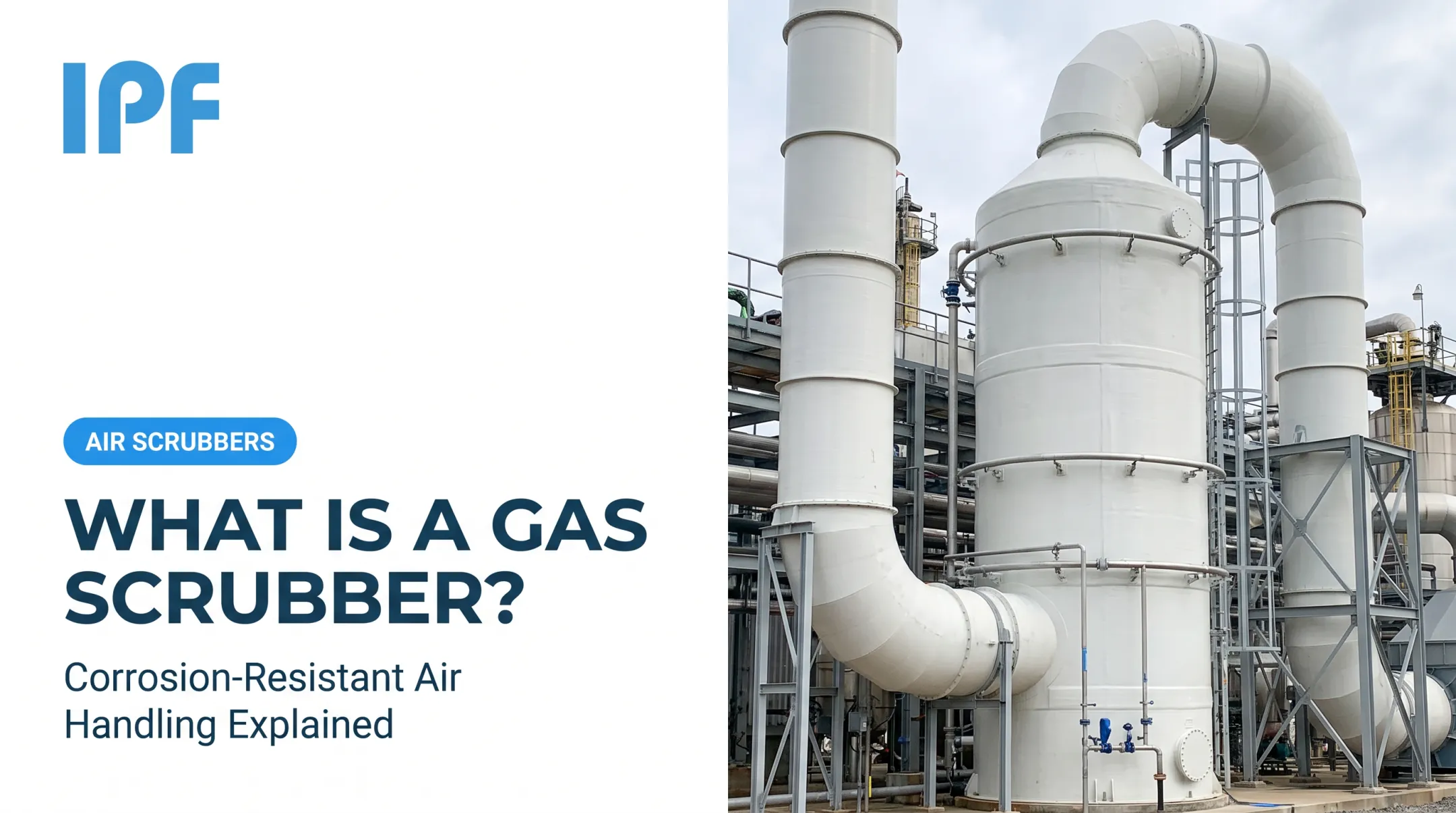
When the airstream carries corrosive gases as well as dust, wet scrubbers are the usual next stage. They transfer particles and gases into a liquid—typically water—and reach above 95% particulate collection efficiency.
IPF Colasit builds vertical and horizontal packed columns plus mist eliminators in PVC or polypropylene, with scrubber design overseen by a chemical engineer with 25 years of experience.

Dampers
Dampers regulate and direct airflow in multi-point setups where several extraction points feed one central system. Balancing dampers keep capture velocity steady at each hood when branches come online or shut down.
Why Material Selection Matters in Corrosive Environments
Metal fans and ductwork corrode fast when exposed to acids, caustics, and chemical fumes. That means frequent replacement, unplanned downtime, and rising maintenance costs.
Coated metal only delays corrosion. Once a coating chips or develops a pinhole, corrosion spreads underneath, unseen, until the part fails. Polypropylene works differently: it's chemically inert through the full wall thickness, so there's no coating to breach in the first place.
Choosing Between PVC, Polypropylene, and FRP
- PVC: Common for corrosive-gas ventilation where operating temperatures stay moderate
- Polypropylene: Resists a broad range of acids and caustics without relying on surface treatment
- FRP (fiberglass-reinforced plastic): Uses flame-retardant vinyl-ester resin, often specified for higher-temperature or heavier-duty chemical exhaust
IPF Colasit, working alongside Colasit AG, supplies PVC, polypropylene, and FRP blowers, scrubbers, dampers, and fittings. Clients report 25+ years of reliable use in harsh gas stream environments. No metal ever touches the airstream except stainless steel support hardware.

Facilities that benefit most:
- Chemical and plating plants
- Semiconductor and electronics finishing lines
- Wastewater treatment plants
- Lab fume hood systems
Is Dust and Fume Extraction a Legal Requirement?
Yes, in most industrial settings. OSHA's 29 CFR 1910.1000 sets permissible exposure limits (PELs) for airborne contaminants. Some examples from Table Z-1:
- PNOR (particulates not otherwise regulated) total dust: 15 mg/m³
- Copper fume: 0.1 mg/m³
- Sulfuric acid: 1 mg/m³
Limits marked with a "C" are ceiling values that can't be exceeded at any moment; others are 8-hour time-weighted averages.
Facilities handling combustible dust face additional requirements. NFPA 660 (current edition, 2025) combines several prior standards covering combustible dusts and particulate solids, addressing explosion protection specifically. These requirements stack on top of standard PEL compliance.
Work with an engineer or specifier to confirm which local, state, and federal standards apply to your process. Requirements vary significantly by industry and contaminant type.
How to Choose the Right Extraction System
Start with the contaminant, not the equipment catalog.
- Identify the contaminant type — dust, corrosive fumes, mist, or vapors. This single decision drives everything else: equipment style, filter media, and material compatibility.
- Assess your facility layout — a single grinding station might need a mobile unit; a multi-tank plating line needs a centralized, multi-point system.
- Factor in long-term costs, not just sticker price — corrosion-resistant thermoplastic equipment costs more upfront, but usually pays back through fewer replacements and less downtime than metal that corrodes under acid and caustic exposure.
- Work with a specialist — size fans, ducting, and scrubbers against your actual chemical load and airflow needs, not generic assumptions.
For scrubber and gas-treatment applications, sizing typically requires:
- Specific chemicals in the gas stream
- Concentrations of each contaminant
- Target removal efficiency
- Inlet gas temperature
Getting these details right upfront avoids costly resizing later.
Frequently Asked Questions
What is dust extraction?
Dust extraction captures solid particulate matter at its source, such as grinding or powder handling, before it disperses into the surrounding workplace air.
What is fume extraction?
Fume extraction removes gaseous or vapor-phase contaminants, often chemical in nature, that arise from processes like plating, etching, or acid treatment.
How does an extraction system work?
An extraction system captures contaminants at the source using hoods or arms. A fan creates negative pressure that moves air through ducting, and filters or scrubbers remove contaminants before exhaust.
What equipment is used for extraction?
Core equipment includes extraction hoods, ducting and fittings, fans or blowers, filters (bag, cartridge, or cyclone), wet scrubbers, and dampers to direct airflow across the system.
Is dust extraction a legal requirement?
Yes. OSHA sets permissible exposure limits under 29 CFR 1910.1000 for airborne contaminants, and combustible dust operations face additional NFPA safety standards.